Tuesday, August 21, 2012

Blue Cheese Pasta/Brioche Bombe


It is about time I reported back here on the world of food, or at least the state of my cookbooks.  Simply put, I have too many for the allotted shelf space I have, and thus must figure out how to get another bookcase (for them alone, so the books here that happen to be about things besides food can get some much-needed shelf space as well).  One day this will happen; in the meantime, books are scattered here and there, but are still mostly on the shelves, and it is to the shelves that I now go…

First – blue cheese pasta.  Is that all it is?  Well, just about, yes.  This is a dish of a mere three ingredients, so you’ve got to get them right – good blue cheese, good egg pasta, good cream.  This recipe is from French Food at Home by Laura Calder and here is a recipe for two people:

Blue Cheese Pasta

250 g egg pasta (she suggests fettuccine, but I use pappardelle)

125 g blue cheese (Roquefort, bleu de Causses, I use standard Danish blue)

75 g cream, more if needed

First thing first:  get your salted water nice and boiling, and while it’s getting ready for the pasta, the sauce is all ease itself.  Get a pan/pot (anything that will hold all the pasta you’re about to cook easily) and put it on a lowish heat; melt the blue cheese slowly in it, stirring and breaking it up, encouraging it to become a sauce.  When it is all smooth and lovely, add the cream and stir again, add a bit more cream until it looks like a proper pasta sauce.  Cook the pasta until it’s done (egg pasta takes a bit more time than you’d think, but test it as always to make sure it’s al dente) and then drain, then add immediately to the blue cheese sauce and toss it around, making sure all the pasta gets coated.  Divide into warmed bowls/plates and add as much pepper as you like – the blue cheese and egg combination is a strong one, and can take a fair amount. 

I made this and liked it very much, but I noted that Calder says in France this is served before steak, and I thought, hm, this could use some meat…and so there I was at M&S getting more of their house blue cheese and it hit me- get some beef sausages and coax the meat out of the casings to make meatballs!  Cook the meatballs separately from the cheese and then add to the pasta just before you add the pepper, and wow, did that work.  I hope to make this pasta in the future alongside steak of some kind, which I sense is its ultimate pairing.  But the meatballs worked out very very well.

What to serve afterward?  Hmmm…a little digression here…as usual when I go out and about I look for cookbooks; and if you look long and hard enough, you can find some truly good ones.  One is Cook Simple by Diana Henry, which I found last weekend at about the point when I had given up finding anything altogether.  (Earlier in the day I’d found – and rejected – Locatelli’s Made In Italy, because even in paperback it was too darn heavy. Also it has a blurb on the front cover from a non-chef, which bugged me.)  But Cook Simple rocks, and she understands desserts and the need for simple ones; this one is so simple she doesn’t have a name for it; so I am calling it

Brioche Bombe

Get a small brioche – the kind you’d have with breakfast, a small one – and warm it through.  Get some good ice cream out and ready to scoop.  Take your brioche, slice it lengthways nearly all the way through – leave it so it still has a hinge, so to speak.  Scoop as much ice cream into it as you can without making it impossible to make into, effectively, an ice cream sandwich.  Eat, being careful to catch any drips. 

What kind of ice cream can be used here?  Brioche is sweet and rich, so anything that has nuts or chocolate is ideal, but then again so is vanilla – basically if you think it would taste good with brioche, it’s bound to work.  You could even cut the brioche before heating it and get the insides toasted, for more of a contrast to the smooth ice cream.  It’s up to you.  Good eats!

Tuesday, July 10, 2012

Homely Chicken


If you nose around for cookbooks in London as much as I do, you become aware that it’s kind of hard to find American cookbooks; in bookstores the “American” section can be alarmingly small – just a copy of the New York Times Cookbook and something on barbeques and something that may as well be entitled Southern Cooking Without Tears.  I don’t watch the Food Channel here but I am aware that Ina Garten is well-known enough to have her books out now domestically in the UK; and if I go somewhere US-friendly like Foyles there is a decent US section there, nothing Canadian alas (where I got the cooking bug, first and second-time around).  So charity shops are where I find the American books I actually want, since Americans tend to pass through London and leave these lovely but rather heavy things behind.  Again, I feel lucky in this, as I would rather help a charity and myself at the same time than order a book in person or online; the purchase somehow means more, and the books that can turn up make the sometimes-endless hunt more than worthwhile.

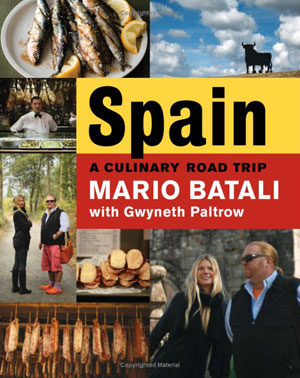
One American cookbook I came across recently was Spain:  A Culinary Road Trip by Mario Batali with Gwyneth Paltrow (as you can see when I say American I don't necessarily mean it's about food from the US).  Based on a tv series (I think; I never saw it), it has Batali, Paltrow,  cookbook author Mark Bittman and Spanish actress Claudia Bassols going through Spain, through every region, trying this and sampling that, hanging out and seeing the sights as well as eating the food.  It’s a loose-legged book, not pretending to know everything or see everything, but if you imagine you are with them, on the road and interested in everything, it is almost as good as visiting Spain itself.  Spanish cooking is new to me; the UK being so close to Spain it is easier for me to try these things than if I was back in Canada.  (Chorizo is something I didn’t know about until I moved to London.)

I’ve been cooking a lot of chicken lately, and this dish is simple enough to try without too much hassle.  I had to go to Portobello to get the pimentos (preserved red peppers, whole in a can) but I imagine the roasted ones in jars would do just as well. 

Homely Chicken 

This recipe is for chicken; one 3 ½ pound one cut into eight pieces.  If chicken butchery is not your thing, just get eight pieces, preferably thighs and drumsticks. 

Mince two cloves of garlic; rub the chicken with it and a tablespoon of salt, then cover it and put it in the fridge for an hour. 

Heat two tablespoons of oil in your cooking pot (one that can hold all the chicken in a “snug layer”; I have no such sized-pot, but just make sure it can all get in reasonably tightly, two layers if needed).  Turn up the heat and brown the chicken, working in batches.  15 minutes per batch should do, and remember to turn the chicken over halfway through.  Once the chicken’s all nice and brown, put it on a platter.

While your chicken is browning away, chop up an onion and cut your pimento into slices; when the chicken’s done, turn down the heat a bit and cook your onion until it’s soft, and then add the pimento slices and a cup of dry white wine.  Add the chicken back to the pot and simmer it, partially covered, for an hour, or until the chicken is tender.  Then serve on hot plates with some kind of fried potatoes (home fries will do) and enjoy.  Good Eats!

Pow-Pow Tricolore Pasta


There are some days when I am looking for a cookbook and other days when a cookbook finds me, so to speak.  I am usually very deliberate in what I am looking for, keeping my kind of notorious amazon wish list perpetually up to date with what I am interested in, from new books to books I’ve come across at cookbooker or by amazon itself recommending it to me. 

But as we know there’s thousands of cookbooks that come out each year, dozens and dozens of chefs and general areas of interest, and winnowing these down to the essentials isn’t always easy.  Thinking to yourself, “Hey, I really like Italian food” is a good start, for instance, but then you will find there are seemingly endless books on Italian food, especially since there are so many variations on dishes, so many regions and dishes to begin with, that it is easy to get overwhelmed and even baffled by some of these books.  They also – with the best will in the world – naturally assume that if you are going to cook Italian food, you’re going to do it the good old fashioned Italian way, which by and large is the best way; this includes making your own pasta, as it is supposed to be easy.

What if, though, you barely have enough kitchen space for a toaster and a cutting board, let alone enough space to make pasta (water, flour, egg, a place to roll it out, some way of drying it, the machine, oh the machine…)? Chefs tend to think you should just make the space or naturally have it anyway, just as they assume that you have the time to make the mess, make the pasta, clean it up, and then cook.  This may be easy in a restaurant kitchen, but at home, it nears impossibility. 

One chef who understands this is Andrew Carmellini, whose book Urban Italian I found just a couple of weeks ago, by accident.  He spent half a year cooking at home, working on his recipes, as he waited for his restaurant to be opened; he makes his pasta in a machine (the much-longed for if quite heavy KitchenAid).  With all due respect to those who make it by hand, he hasn’t got the time; he also did all the shopping for those six months, admitting that he had forgotten just how time-consuming and stressful it is to go out, forage, buy and then schlep everything home, hands and feet tired from the long journey. 

Unlike some chefs, who are a bit presumptuous or lofty (naming no names, I’m sure you know who I mean), Carmellini is on the would-be cook’s side, is practically there with you as you cook, not tut-tutting but encouraging.  His life has been, since his teens, all about restaurant work, but those six months at home taught him how difficult cooking at home can be.  (He had a propensity to set off the fire alarm, for instance.)  I have made two main courses from his book so far – Ziti with Tuna, Red Onions and Cannellini Beans and  Tagliatelle with Herbs, Caprino and Marinated Tomatoes – each a hit, each quite doable in a modest kitchen.  There are other recipes I look forward to making (Rigatoni Pugliese, Penne with Bacon, Radicchio, and Piave Cheese) and others, well, not so much (I avoid anything that calls for tripe, veal, swordfish or sardines).   It is Carmellini’s voice and experience that are the real stars of this book; the recipes simply come out of those, are truly Italian and truly urban. I would rather have this book than The Silver Spoon, the encyclopaedic national cookbook of Italy which may well be comprehensive but doesn’t have that empathy that I find is necessary in any real cookbook – that the writer/chef is on your side, is trying to help you as best s/he can.  I was lucky to find this book, one written by a man who, given his credentials, could have been haughty and faux-friendly, but he isn’t; he’s the real thing, a chef who knows what that tiny kitchen at home is really like.
And now, I hope Mr. Carmellini doesn't mind my paraphrasing one of his recipes!

Tagliatelle with Herbs, Caprino and Marinated Tomatoes
This recipe has a lot of ingredients, but doesn't require a lot of skills or space if you do things neatly and in order. 

First, get some water for your pasta and salt it; bring it to the boil slowly (Carmellini's home stove is gas, mine is electric, so slow's a given for me) as you cut a bunch of cherry tomatoes (a cup for two, two cups for more) in half.  Then get some shallots-one if you're just cooking for two, if more, two then - and mince them.  (They will make your eyes water if you cry cutting onions, by the way.)  Get a bowl and put the tomatoes and shallots together with I teaspoon of both balsamic and red wine vinegar, 2 teaspoons of olive oil and some salt and pepper (tiny amounts, 1/4 teaspoon).  Also add in some nice fresh chopped up parsely, enough so that it mixes in well and is visible (about as much as the oil).  Obviously you can adjust everything for the number of people you're serving; beware, this is a dish that doesn't keep well, so make only as much as you need.  Right!

In a saucepan, combine a quarter cup each of milk and cream (I used single cream) and a half cup of chicken stock (or if you're vegan/vegetarian, vegetable stock) and blend away.  Add the cup goat cheese (caprino is a soft goat cheese)  and turn up the heat, until it blends all nicely together.  Add some fresh thyme leaves, some fresh rosemary chopped up, salt and pepper.  By now your water should be boiling and the tagliatelle can go in.  While it's in the pot, grate some Parmesean (1/4 cup but really as much as you like) and chop/tear up as much basil.  Cook and drain the pasta, putting it in the goat cheese sauce directly, then stir in the cheese and basil, mixing it all up.  Serve hot in hot bowls (always heat serving dishes!) and put the marinated tomatoes on top, with a bit more cheese if you have the time.  Sharp and glorious, tricolore and zingy.  Good Eats!

Thursday, April 12, 2012

Two Books, Two Stories


As you know, dear readers, I am something of a…collector always seems like such a cold and scientific word…an accumulator of cookbooks. Sometimes I go out looking for something; sometimes a book just appears and I have to get it, especially if it is on my wish list or is something that I have been wanting to get – for whatever reason – for some time. As you know I am picky, but then I will succumb to any book if I get a good vibe from it, whether I have much experience with the food itself or not.

The newest editions to the library are above – Chez Panisse may be a long way from Clapham but as I was kindly taken there once in my youth (by a realtor who was dealing with my mom in getting our house in Berkeley on the market & sold, back in ’81) I have never forgotten how good the food was, even though it was pizza & cider and perhaps some salad, it was so good it must have imprinted upon me in some deep way. Thus when I came across the Chez Panisse CafĂ© Cookbook I had to get it, just in order to be reminded that the pizza was from a wood-burning oven and how good the French cider was…many Chez Panisse books are out there, I suspect, that sit beautifully on the shelf but never get used; I am going to try to make something from this, even if it’s just a side dish, to see if I can create some of the Berkeley magic right here.

Crazy Water Pickled Lemons by Diana Henry is a whole other story. I am moving tentatively (very tentatively) into trying out Mediterranean food, beyond Italy, beyond Sicily even; and this book looks like the right place to start (yes I do have the Claudia Roden book as well – so I can contrast & compare, of course). It is awesomely pretty, for one thing, and on a grey day like today the light and heat radiating from the book are enough to inspire me. But there is something else too; in buying this book I feel as if I have freed myself, and that is in part due to the fact that I got it somewhere I not only didn’t expect to find it, but in a chain of shops that ordinarily I avoid. I avoid it for a good reason, and have done so for over a year, but my gut instinct told me to go in and look, and there it was, sitting there patiently waiting, or so I like to think, for me. A cook’s relationship with any given book has to be a good one, or else the book will be ignored and the cook will remain ignorant of whatever wisdom it can provide. Mediterranean food is some of the oldest in the world, and that is why I am interested in it (of course I am following Elizabeth David’s main interests too – French, Italian, Mediterranean…more imprinting, I think) and I have not seen this book anywhere else, at any price. That I was forgiving and then rewarded shows how the cookbook gods, if there are any, wanted me to find that book; that it is a gorgeous and inspiring one is also moving, in a way.

Oxtail Stew

Oxtail stew is one of those things that is very good, but few of the books I have even bother to mention oxtail (I do have more than a few books, but only one – Nigel Slater’s Kitchen Diaries – has a recipe). I don’t know why this is, save for the fact that because it’s not a glamorous cut, nor one easy to find (I’m guessing at this but think about it – it’s not what any butcher is going to feature in the window) that it is avoided. The fact that it’s the tail – bone and all – also probably puts people off.

That is too bad, as oxtail stew is amazing stuff – strong, richly comforting, good for what ails you, whatever that might be. The recipe I used wasn’t Slater’s – I tend to shy away from using mushrooms in a stew – but this one, which I highly recommend, with these caveats:

A whole oxtail is not something you can just get off the bat, so to speak; I used two large pieces, three smaller ones and a long narrow piece that looks something like a child’s bicycle’s handlebar which must be the end piece of the tail. The two large ones I got from a friendly butcher (note: I live in Clapham and didn’t go to an independent butcher but to a grocery store, for reasons I will mention in the fullness of time) and the smaller I got at another branch of the same grocery store that had them out and already cut and packaged to go. I figure with these six pieces I had most, if not all, of the tail, and cut back only on the onion, using half of one instead of a whole one.

I used ready-in-a-bag chopped swede instead of a parsnip on the hunch it would work, and it did; ordinarily I advocate cutting up your own vegetables, but these were on a discount shelf and had ripened, if that’s the right word, to a good point for using in a stew.

The crazy part of this recipe is when it tells you to use a strainer to get out all the celery, onion and carrot you put in to make the basis of the stew in the first place. That is impossible without a strainer (guess what – I don’t have one) and kind of pointless, as they lend body to the gravy and are good for you, if only for fibre. So keep ‘em in!

Also, when you put the stew in the fridge overnight to scrape the fat off the top the next day, do not go crazy trying to get every bit of fat off, and keep the fat – it’s good stuff – for using to cook vegetables, particularly carrots, as the thyme is right there in the fat already…and indeed I used dry twigs of old thyme and that worked out fine, though fresh thyme is always preferable.

Remove the bones just before serving, and you'll know when the stew is ready when you can do just that - the meat shouldn't be falling off them, exactly, but should pull away very easily.

The wine should be a strong red, as oxtail has a strong flavour and will twack anything too diffident.

The side dish I’d advise is mashed potatoes and lots of ‘em, straight up (no garlic or mustard or caramelized onions needed) with lots of butter.


After I made the stew I found a Delia Smith version where cider is used instead of wine; I may well try that out next, and report on how it goes…

Wednesday, March 14, 2012

Trucker's Pasta

As you probably know by now, I love pasta, and I judge books by their pasta recipes; if there is something intriguing about a name or a combination of ingredients I've never heard of before (and that sounds good to me), then I usually get the book.

This is from Made in Sicily, a lovely book by Giorgio Locatelli, who went to Sicily and found out how this old island - part of Italy and yet its own world - goes about cooking. This pasta is substantial, as its name implies, and yet there is no meat in it; and really, barely any cooking to speak of, besides boiling the water for pasta and some brief chopping.

The main problem I had with it was finding the right kind of pasta - the almighty bucatini, which looks like a fat spaghetti and pretty much is...until you look at it and see it's hollow! This is truly tubular pasta, therefore, and it is the one most suited to this dish. You could use linguine for it as well, but bucatini simply looks more truck driver-like to me. (For UK residents - I found mine at Sainsbury's; otherwise an Italian deli with a halfway decent pasta section should have it.)

Be warned: this is a very filling pasta. You don't have to know how to drive a truck to eat it, you just have to be hungry. I'm going to give you the recipe for four people - it can be easily divided into a meal for two, or one really hungry person.

Ingredients:

450g chopped tomatoes (I used ones from a box because I could; canned is just as good)
2 T olive oil
2 garlic cloves, minced as finely as you can
10 basil leaves, finely chopped
5 mint leaves, finely chopped
salt and freshly ground black pepper
400g bucatini (or linguine if you can't find it)
80g pecorino cheese, grated


Once you have all these, the battle is half over. First, the sauce - get a big bowl and put the tomatoes, oil, garlic and herbs in it, one after another, and stir them up well and let them sit for an hour. You can just leave the bowl right there on the counter, it doesn't have to go anywhere special. Towards the end of the hour is a good time to get the water boiling and grate the cheese.

Once the water's boiling, make sure the pasta gets in the water all at once (Locatelli says you should use a fork to curl it). Cook it for a while, but drain it before it's absolutely done; save some of the pasta water and add it to your sauce. Add your pasta to the bowl and mix up well, adding about 70g of the pecorino and continue until it's nicely coated. Transfer to a good warm plate or bowl and add the rest of the cheese and be amazed at how a sauce as simple as this can taste so good. Salute!

Tuesday, March 13, 2012

Slacker's Delight

For those of you who cringe at the very idea of baking something just to have dessert and enjoy experimenting...also a 'cupboard/fridge cleaning' dessert, for those of you who enjoy that sort of thing.

Ingredients per dessert: one muffin, one scoop of ice cream, dark chocolate, double cream/half-and-half, golden syrup (optional)

The first ingredient is a muffin that is just a bit stale - not so much that it can't be eaten, but it is not just-fresh either. Get a serving bowl and break the muffin up into pieces, not too big, not too small. If a muffin can be broken up rustically, this is what you are after.

Then, ice cream. It doesn't matter if the ice cream in question is superdeluxe or ordinary as its main function is to add moisture to the muffin in question; the ice cream should go well with the muffin, of course, but that is a matter of taste I'll leave up to you. Put on just enough to make a good impression, as opposed to drowning the muffin altogether.

Now then - the cooking part. Get chocolate - the darker, the better - and break it up into pieces. Rig up (however you can) a bowl to melt it in, over boiling water. In my case I use my larger mixing bowl over the pot I make pasta in, as the bowl is large enough that no steam can turn back into water and mess the chocolate up. You could use a microwave for this I suppose, but chocolate is a delicate thing, so don't put it in there for much more than half a minute, I'd guess.

Melt the chocolate slowly - and the higher in percentage in cocoa it is, the longer that will take - and add a teaspoon or two of cream and stir. Be patient; use as much chocolate as you think you'll need for sauce, and wait and stir when it starts to melt. If you have some golden syrup around, put in a little of that, one squeeze will work. Stir some more and remove the bowl as it's hot enough now to keep going without being directly above boiling water. Stir until it's smooth and then using a spoon drizzle your sauce over the ice cream, leaving some for bowl-licking purposes, of course.

Good eats, as the man says! This recipe came from my own kitchen, though I am sure it has been done hundreds of times elsewhere.

What I've Been Up To


In case there's anyone still wondering about this blog - and there might well be - my only excuse for not writing here is that I am usually too busy doing other things, foodwise - namely, cooking, shopping, planning, eating or searching for yet another cookbook for my ever-growing/bookshelf-ingenuity-challenging cookbook collection. It grows and grows, people, as I fall, it seems perpetually to me, for one right after another. That said, there are only a few books I ever actually want at any given time, and this makes things easier. Not better, but easier. (I should also point out that my husband had a stroke just over two months ago and that has also, understandably, delayed my posting anything here.)

Of the making of cookbooks it seems there is no end; my only defence is my pickiness, which means that sometimes I just don't find anything, even in a good charity shop where there's more than one shelf. It takes an indefinable something to make me say yes to a book - and there's lots of ways a book can turn me off, including being too big (Ad Hoc at Home, I'm looking at you), being too much a restaurant-style food at home book (too many to mention but the cooking has to suit my modest kitchen), using Marmite (no explanation needed), being mainly about seafood (I don't really eat it, nor do I have much interest in it, frankly), and so on. Encyclopedic tomes with no discernible author, books with 'fabulous' in their titles, books published by a corporation (like Marks & Spencer or Sainsbury), books by anyone on tv that I am not familiar with...as a North American I naturally stray away from anything too "British" as I am not part of the "we" or "our" these books are so concertedly pitched towards.

What do I like? I am quite partial to pretty books; American books; books where the author (and again, I don't really care if the author of the book wrote it or not; the voice has to be consistent and trustworthy though, which means I want it to be well-written) seems to be on my side as opposed to the side of the food. Books by non-chefs are fine with me, as they will actually explain whatever it is that needs doing with a bit more care. Simplicity and charm always work; I am not, like some, in search of perfection or wanting to master every cuisine known to mankind. Humor is needed in the kitchen and is needed in cookbooks, whether they know it or not.

Above are some of my newer editions, all trustworthy books that I got in various places. My aim is to cook from them all, as you know; and I will write about what I've cooked (and give you the recipe, of course) when I do.

Wednesday, November 2, 2011

And Here It Is...

Welcome to The Edible Library, everyone! A place where I will review cookbooks, attempt to cook from each one at least once (I have over a hundred, so it's a challenge) and go on about cooking and everything around it in general. Bookmark me, link me, it's going to be fun!

Friday, October 21, 2011

New Blog Title Needed!

Without going into too many details, I must apologize for this blog's absence; I have been writing, but it is mostly at this blog, and not about food at all.

Now then - where was I?

There is another blog/book/tv show with the same name - one that is about encouraging those who have bad or no eyesight to cook, a noble thing to do - and I don't want to confuse this blog with that one, so I am going to re-name this blog. If you have any suggestions, I'd love to hear them!

What have I been doing these last few months? Accumulating cookbooks, that's what. Cooking from them when I can; thinking about food. I now live somewhere where I have my own small kitchen with few 'mod cons' besides a small fridge, an electric stove with a grill, a toaster and a kettle. Something, as the British say, to 'blitz' or 'whazz' food will be acquired rather sooner than later, and perhaps a popcorn maker as well. Other than that I have no interest nor space for much else; the boombox is staying right where it is.

So I will continue to write and review recipes I come across that don't take much gear or time, because that is where I know a lot of people are coming from. I know I certainly am!

Thanks for reading - more soon!

Friday, November 19, 2010

Pumpkin Pie Sauce and BOOKS

Firstly, apologies to anyone who wondered if perhaps I had had an accident in the kitchen and was therefore unable to write; what happened instead was I applied for a job, was interviewed, patiently waited to find out if I was hired and was, indeed, hired. Thus I am working towards getting a laptop, so I may write after I cook (and eat, of course) about what I have made, and perhaps, God willing, post photos to prove I have done it.

In the meantime, here are some books I've got recently and am reading; I can't say enough things about them besides get 'em if you don't have them already, and also, if you're making a pumpkin pie from semi-scratch and you put all the condensed milk in by accident instead of some and then mix it up (a little), you can just spoon the extra milk out and hey presto, instant sauce for the pie for the week (just pretend it's French food and it will look quite elegant).

BOOKS


Fieri, Guy - More Diners, Drive-Ins and Dives
This book makes me want to visit and revisit my home country in the best way possible - always hungry, always on the road.


Kapranos, Alex - Sound Bites

Rock 'n' roll memoirs from behind the scenes and on the street, all over the world.


Lawson, Nigella - Kitchen

La Lawson will eat anything, as long as she doesn't have to work too hard at it - most of the time. Great hints in the front section, and she has almost 4,000 cookbooks & books about food in her library. I want the list!


Oliver, Jamie - 30 Minute Meals

Sure you have to hustle, but these meals are worth the hustle and are doable with a helper (or two).


Ottolenghi, Yotam - Plenty

Vegetarian food for those who thought they had seen/eaten it all, no tofu required. Already judged a classic, and it just came out this year.

Friday, October 1, 2010

Jeepster Pasta

The other day I was dreaming that I was listening to "Jeepster" while making a tomato cream sauce; so of course I had to make this:

Jeepster Pasta

First, get some plum tomatoes (canned, peeled) and put them in a saucepan and heat them up, mooshing away until they look a bit saucy; while doing this get some water boiling for plain and spinach tagliatelle (yes, you need both; this is the surprise in the dish - paglia et fieno, aka straw and hay pasta is awesome*). Slice up some mushrooms while the tomatoes cook (don't boil them but don't leave them at a low heat either) and cook them in some good oil; they will be added to the pasta when it's almost done.

Once the tomatoes are ready, add some cream (double to cut the acidity of the tomatoes) and also a little red chili ("Jeepster" is a hot song, there has to be some heat in here!) and taste and add more cream if it's too hot, more chili - it won't take much - if it's too mild. Once the tagliatelle is done you can put it right in the saucepan and mix, adding the mushrooms in once the pasta is well coated. Serve immediately and eat with garlic bread and a good salad. Good Eats!

*This pasta is available at Sainsbury's and is quite worth it.

Wednesday, July 7, 2010

Summer Salad pt. 2 Foxy Salad


If you don't like the idea of a summer salad with lots of tomatoes, then you should try this - it's good and it's good for you, just because of the walnut content, though salad is always good for you, in my opinion. This one comes from Jamie Oliver's newest book, Jamie Does, and it's from his French chapter, one of utter contentment and satisfaction, which this salad most certainly brings. (It's not called this in his book, obv.; it comes from the story as to how Roquefort cheese was invented, haphazardly.)

Foxy Salad

First, get some interesting salad (no bitter leaf stuff though; rocket is not needed here, though radicchio is okay) and some smoked bacon, preferably lardons. (If you don't have lardons on hand, just get some smoked bacon anyway and cut it into chunks with a knife or scissors.) Also needed are walnuts (the more the merrier, a good handful at least), Roquefort cheese (a little goes a long way) and of course our good friend stale bread (the recipe calls for sourdough, though any basic strong-minded bread will do). Fry up the bacon in some olive oil, cut the bread up into managable pieces and once the bacon fat has come out and mixed with the oil, put in the bread and get it nicely friendly with the fat. Chop up some walnuts in the meantime, and also make a basic dressing of olive oil, red wine vinegar, mustard, salt and pepper. (Dijon mustard is ideal here, but American mustard works well too - you should have this dressing be a little more acidic than usual, by the way.)

Then it's a matter of getting it all into a bowl and mixing it up with the dressing, putting it bowls and then and only then slicing pieces of Roquefort and putting them in the salad, not just on top. The nut and cheese combination here is awesome, of course, but the bread and bacon make this a meal to itself; have it with something lemony to drink and praise the French, again!

Tuesday, June 29, 2010

Summer Salad Pt. 1: Panzanella


For those of you who think (as I do) that you really, really don't want to boil water on an already-boiling day, the answer, plainly, is salad. And not just any salad but a bread salad!

There are two salads I've made recently that went down (so to speak) really well, one for fairly warm weather, the other for blazing hot. Considering it's nearly July, here's the blazing hot one:

Panzanella

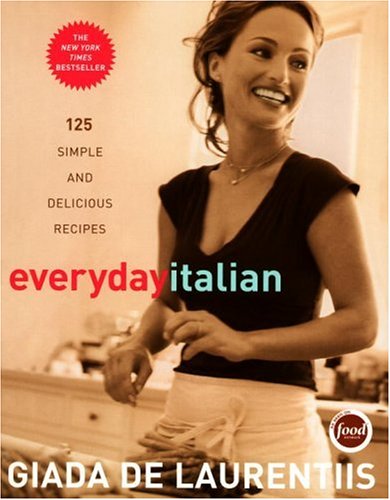
First, get some tomatoes and chop them half - little cherry ones, ones on a vine, heritage yellow ones if you want - and some basil (though a bit of mint w/your standard 'fancy' salad will do just as well in a pinch). Then get some bread - stale* says the normal recipe, but if the idea of 'stale' bread is just too long a wait, simply toast your bread, cool it and then cut it up into reasonably-sized pieces. The only 'cooking' as such you need to do here, if you wish, is in one pan, for pancetta/bacon. You may also want to have a bit of oil/vinegar dressing on hand to unify things here, not to mention cucumbers, which work wonders, as does some mozzarella. Toss it all in a big bowl and then tuck in; there are no hard-fast rules here, save that everything has to be fresh and Mediterranean (the salad is originally from Sicily, which means if you want to put raisins or capers in, be my guest). Giada uses cornbread in hers, which sounds v. good, though the concept of 'leftover cornbread' in my household is pretty much inconceivable.

*The bread should be stale enough to soak up the tomato and cucumber and dressing without becoming soggy immediately.

Wednesday, May 19, 2010

Cottagers' Pasta

First, I would like to apologize to anyone who has been looking and looking here for new things - I have been busy, in part learning new kitchen ideas (not techniques, just ideas) and of course finding cookbooks I like by accident on a near-regular basis. I'll be back to those soon, but here is a pasta dish (of course) that I made up in honor of Fulham Football Club, who play at Craven Cottage, hence:

Cottagers' Pasta

This began when I found a bottle of chili and garlic pesto (base: tomatoes) by Jamie Oliver in Fulham - and nowhere else. I had some asparagus and broccoli and ricotta to use for a dish and figured out I could do this!

Fry up some pancetta (in smallish cubes if they aren't like that already, or lardons if you're using bacon) and cut your broccoli into florets & add once the pancetta is starting to add fat to the pan. (You could speed this up by adding olive oil, which is never a bad idea, really.) Snap your asparagus, throw away the tough end and cut the spear end so it looks like penne (you could use penne for this, or farfalle, as I did). Add them to the broccoli and cover with a lid so the veggies' own steam cooks them. Make pasta as usual and make sure your veggies cook without getting too well cooked.

Get a big bowl and put in the pesto (if you don't have this particular pesto, don't worry - sundried tomato pesto with a bit of raw chili & garlic in it will do fine). Once the pasta is done, turn it into the bowl and mix up well; then add pancetta and veggies and stir again. If the pesto is too hot, add some ricotta - it will bind the whole thing together. Serve immediately and enjoy!

Friday, March 19, 2010

Garlic Candy Pasta

Fear not, good readers: my next entry will be here sooner than you think and it won't be about pasta! However, for those of you who do like it (I like it...a lot), here is another recipe, taken from Nigel Slater's excellent Real Fast Food and renamed by me as...

Garlic Candy Pasta

This recipe involves nothing more complex than peeling and then smashing (or smooshing, really; you just get a big knife and press down on the clove horizontally) a lot of garlic. As much as you can stand, and if you're me, that's one head or so for each two people.

So then - get some butterfly/farfalle or penne and some goat's cheese - the kind that is soft & will melt in hot pasta fairly quickly - put them aside and get to peeling the garlic, then smooshing it up and put it in fairly warm (but not super hot) olive oil to cook. Burnt garlic is...unpleasant, but nicely browned/softened garlic is what you're after here. The only other ingredient is thyme, which is also a big deal - you have to have fresh thyme picked off the bunch and this is best done once the garlic is halfway done. Boil the water in the meantime and by the time the pasta is done, the garlic should be too. (Don't rush the garlic; this is a meditative recipe, not a ten-minute one.) Once the pasta is done, pour it into the pan with the garlic and mix it up, adding the goat's cheese until all is creamy white and green-flecked and serve immediately. The garlic will jump out of the pasta like candy, intense and vibrant against the mildness of the cheese, but the thyme will wink out at you as well. Happy eating!

Tuesday, March 2, 2010

Gold Medal Pasta

On Sunday evening I watched, along with my husband, the gold medal game in men's ice hockey from Vancouver; he has written about it here (just in case you missed it, or wanted to read, if I may say so, some damn fine reportage), and I made a pasta last night that I thought would fit the glorious night.

Gold Medal Pasta

The ingredients, as such: spiral pasta (I used trottole, but anything tightly spiraled will do), sausages with a main extra ingredient of apples, a store-bought but good bolognese sauce (sans meat), double cream and chili and parsley.

While you boil the water, squeeze the meat out of the sausages into rough meatballs - they shouldn't be that big and you should have enough to pretty much cover the bottom of your frying pan. Once they are on their way to being golden, add the sauce and let it simmer; add the chili next, chopped up fine. Then add the double cream - cautiously, as you don't want it too rich; just enough to make it change color is enough. Let all of this 'marry' as chefs say, and make the pasta. Once the pasta is done, shake it roughly (remember to keep some water on it; dry pasta is never the ideal, certainly isn't here) and add it to the sauce, mixing thoroughly. Add parsley next however you like, in full or chopped leaf, and mix again and serve immediately.

The impact of all the ingredients here is much bigger than you would expect. The apple is key; you would think that it would clash with the rich tomato sauce (which is Loyd Grossman's by the way), but it doesn't. Tomatoes are, after all, fruit, and the apple is spiky and brave enough to be noticed, without overshadowing the tomato in question. This recipe doesn't need any extra cheese or pepper; just some nice ginger ale to go with it and salad on the side. Bon Appetit!

Friday, February 19, 2010

Tricolore Spring

Recently (last night, that is) I made up a dish; actually it is hard to say whether I made it up or just had it stuck in the back of my foodtv.ca & cookbook-friendly mind, or what. But here it is; it is relatively quick, contains almost no chopping besides the broccoli and I think it tastes quite fine.

Tricolore Spring

You will need some spaghetti; some pancetta and/or bacon lardons (I had a bit of both left, so I used both); some broccoli and garlic and chili.

First, get a pan and put some olive oil in - not too much, just enough for the pancetta/bacon to get going. Slice up some garlic - finely but you don't have to be too fine about it, and put that in with the meat. At the same time, break up a few pieces of broccoli into little florets, as much as you will think you will need. (I used half a head for two people.) Once the broccoli is done steaming (I think it's best steamed, as opposed to boiled), put it in the pan and get the water boiling (new fresh water of course, if you have been using a colander) again for the pasta. Carefully slice up some red chili and put in as much as you like, keeping in mind that a little goes a long way. Add more olive oil and stir, until the individual ingredients become a whole; this takes about as long as the water takes to boil. Then make your spaghetti and once it is done add it to the pan, carefully pulling and pushing the pasta around, stirring it well. Serve with fresh Parmesan on top. The broccoli is the real star here, though the garlic, which will naturally hide at the bottom of the pan (we only got ours at the end) will be quite glorious as well.

Monday, February 1, 2010

Haphazard Toasted Ravioli

It is about time I wrote here, really; I am continuing, haphazardly, to collect recipes and books (I got Jamie Oliver's Cook With Jamie for my birthday and a week later was generously given his Jamie At Home a week later) and in my slow way try things out. One of the things I love to do is make brown butter and use some kind of ravioli for the pasta; one of the problems of serving pasta is keeping it warm. How to keep it warm in the pan? Well, keep the heat on, of course! The stovetop has 2 (not warm enough), 3 (still not warm enough, but getting there) and 4, which is nice and toasty indeed. So last night, because I was serving garlic bread and salad as well, I didn't put all the ravioli on the plate - so I kept the ravioli on 4 and we ate at our regular pace (not slow but not that fast either). So by the time we got to the last serving, the ravioli (little sack-shaped ones, to be precise) were rather browned and toasty and crisp and most excellent. (Yes, I know the solution to this would be to heat up the plates in the first place, but I always forget and can't tell if I can heat them in the microwave or not, which doesn't exactly help.)

In the meantime, I am thinking of making a new dessert based on a stunning chocolate-dipped lime cookie - some nice Green & Blacks chocolate ice cream with some fresh lime juice and maybe even some zest on it as well. I know that sounds odd but the combination is like seeing a new flower; a real pleasure. (Also, I now have a French orange plastic mouli for legumes and can't wait to make something with it; Elizabeth David, I feel, would be wondering what took me so long, but c'est ca and I hope to continue with my charity shop finds.)

Wednesday, December 9, 2009

Brown Butter Sauce


The other day I was making a sauce I had never tried before; as usual I didn't know exactly what to do (despite having a recipe) because there were minimal instructions and no picture of what I was making was going to look like. Brown butter...should be brown, I suppose, but I just got melted and bubbly yellow liquid, as I'd expected. I put in the salt and pepper, I put in the torn up basil (the local store was all out of sage) and stirred and turned the heat up...but I had no nutmeg. What to do? I decided to put in some brown sugar - just a pinch, not a lot - and hope for the best. It still wasn't terribly brown, but it did taste quite good over the egg pasta parcels we did get (which had meat & cheese in them). So, this is my recipe, modified from Giada's, for Brown Butter.

Brown Butter Sauce

Get some butter - you'd better start with what you'd use to make eggs and go up from there, depending on how much pasta you're making - and melt it slowly but surely. Add some pepper and salt (not too much, just enough so you know they're there) and keep adding butter until you have enough. Then tear up some sage or basil and turn up the heat so they cook and release their oils; lastly add about a quarter teaspoon (as much as you can pinch with your thumb and index finger) and add it to the butter, stirring as always. Do this and then set it aside, keeping it warm. Add your cooked pasta (ravioli or any other filled pasta) to it as soon as possible.

Definitely good eats!

Addendum: I have now made this again, using sage and nutmeg and heating it a bit longer, and it is quite something! I am astonished that something so simple is not as well-known as I sense it should be, outside of France & francophile kitchens, I suppose...